The aim of The Finnish model is to ensure that every child and young person has access to a meaningful and free hobby directly in connection with the school day.
The model is designed to support wellbeing, participation, and equality, and it is built on a simple but powerful idea: hobbies should be available to everyone. Children’s and young people’s own wishes guide the activities, and municipalities strive to offer the kinds of hobbies pupils truly want. When a hobby takes place right at school after lessons, the threshold to participate is low and the joy of doing becomes part of everyday life.
The model is developed through close cooperation between schools and a wide range of activity providers. Because municipalities differ in their resources and needs, The Finnish model also focuses on coordinating and sharing existing good practices. A national support hub assists municipalities in finding suitable instructors and partners, while also collecting up-to-date information, examples, and methods. The long-term goal is for the model to become a permanent part of municipal operations and for hobbies to remain a natural extension of the school day.
Nationwide evaluations have paid particular attention to hearing children’s and young people’s own experiences. These assessments highlight that hobbies are important not only for inspiration and learning, but also for community, social development, and wellbeing. Current government policy also emphasises that every child should have access to at least one pleasant hobby, and work continues to develop the legislative framework behind the model. In addition, possibilities for supporting hobby activities during school holidays are being explored.
Coding and gaming have consistently ranked high on students’ wish lists—and for good reason.
They combine creativity, problem‑solving, collaboration, and digital tools in ways that resonate with today’s young people. These activities fit naturally within The Finnish model: they are highly accessible, easy to scale, and suitable for beginners and more advanced participants alike. At their best, they build future skills while offering engaging and social experiences.
One example of such activities is an adventurous Minecraft group for primary school pupils. Participants dive into the game world together, armed with curiosity, teamwork, and a willingness to try new things. The game environment is adjusted to make it enjoyable for players of all skill levels, so no prior experience is needed. Children build, explore, and tackle challenges as a team, learning to collaborate, communicate, and plan their actions. Everyone is welcome just as they are, with the joy of playing together at the heart of the activity.
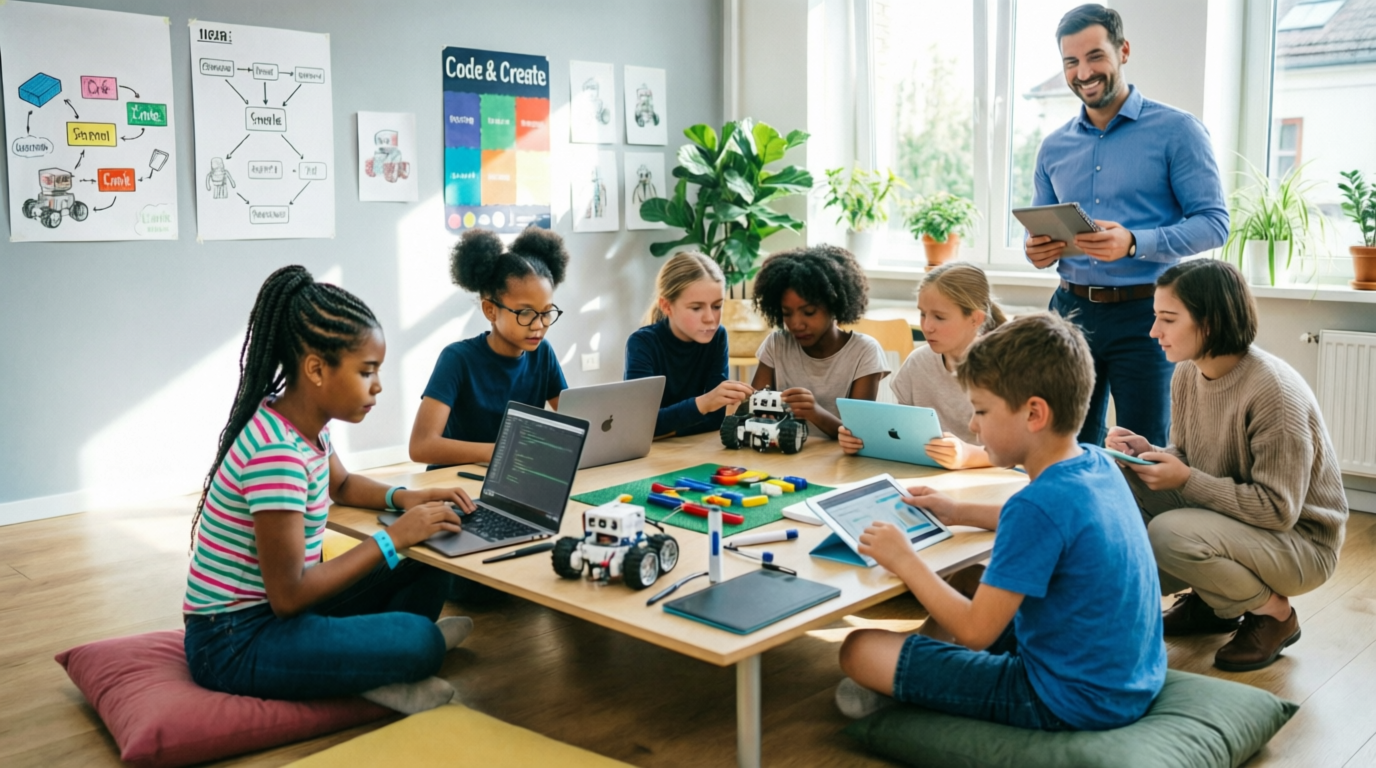
Another example for younger pupils is a programming and game design group that introduces children to the basics of coding through visual block programming before gradually progressing to text‑based languages. Coding becomes hands‑on, enjoyable, and concrete, with small projects and problem‑solving tasks driving motivation. A playful digital learning environment enables participants to build their own small worlds and games, helping them learn logical thinking without even noticing. No previous experience is required. Enthusiasm and curiosity are enough.
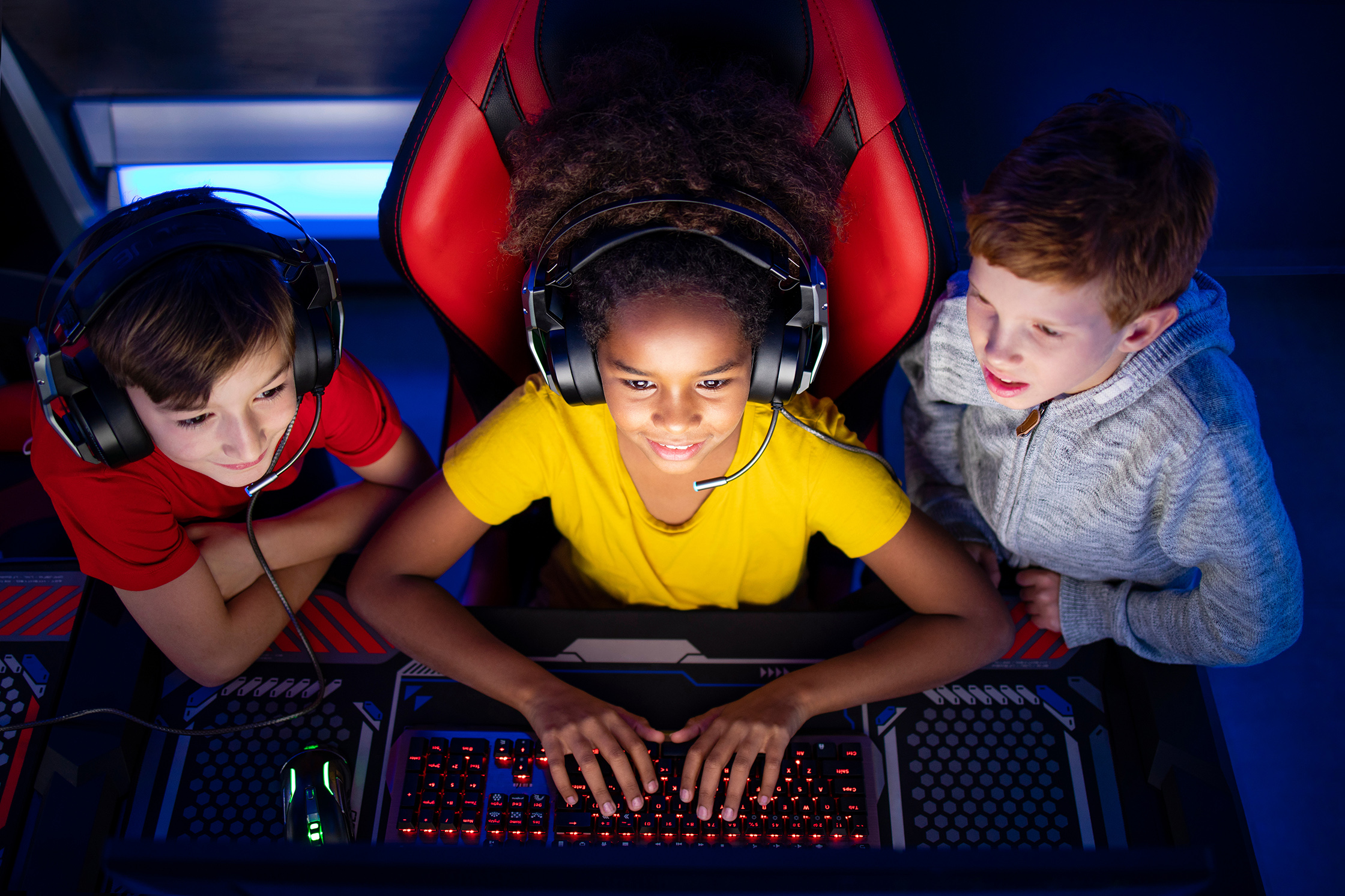
For older pupils, groups focusing on gaming offer both communal and more goal‑oriented experiences. These activities go beyond games themselves: they emphasise teamwork, communication, strategy, and responsible gaming habits. While the groups provide opportunities for improving gameplay skills, the main focus lies in positive interaction and a supportive atmosphere. Young people can join even without previous gaming experience, and instructors ensure that each participant is noticed and included.
Primary school gaming clubs also provide relaxed, low-threshold opportunities to play popular, age‑appropriate games together. Activities vary between free play and instructor‑guided sessions built around themes, challenges, or mini‑games. The goal is to offer space for creativity, shared experiences, and trying out new games. Technical skills are not required—what matters most is a fun, friendly environment.
Municipalities also support coding as a hobby by offering multi‑level learning paths that advance from foundational skills to more extensive programming knowledge. Early stages focus on basic programming concepts in visual environments and introductory Python exercises. Later stages expand to web development, simple machine learning tasks, and JavaScript. These learning paths are built so that participants can continue from one level to the next as long as interest persists. Instruction can be provided either in person or remotely, and the flexibility of the Hobby Model allows pupils from any school in the municipality to join without special facilities.
Altogether, coding and gaming activities illustrate what The Finnish model does best: provide interest‑driven, accessible activities that support future skills, encourage participation, and strengthen positive peer communities. Programming and games are not just technical skills. They are channels for creativity, discovery, and social growth. They can offer a first taste of success or open the door to a hobby that continues into adulthood.
At its core, The Finnish model is about creating opportunities. It ensures that every child and young person can find something meaningful to do, feel a sense of belonging, and experience success on their own terms. When municipalities, schools, and hobby providers work together, they create a hobby culture shaped genuinely by children and young people.