Ireland has seen a strong wave of initiatives in early 2026 aimed at encouraging girls and young women to explore careers in ICT and STEM, with large-scale events and university-led projects helping to drive momentum nationwide.
One of the most significant recent developments was the 2026 edition of the “I Wish” STEM festival, held in Dublin. The event brought together nearly 4,000 female students from across Ireland and Northern Ireland, offering them direct exposure to careers in science, technology, engineering, and mathematics. The festival focused particularly on teenage girls, providing interactive exhibits, talks from women working in technology, and opportunities to engage with industry professionals. Events like this play a critical role in shaping career aspirations at school level, where interest in STEM subjects often begins to decline.
Alongside national events, higher education institutions are also contributing through targeted initiatives. A recent example is the “Hidden Scientists / Hidden Creatives 2026” exhibition at Technological University Dublin, launched in April 2026. The project highlights the often-overlooked contributions of women in science, technology, and design, using creative storytelling to challenge stereotypes and improve visibility. By presenting real examples of women innovators, the exhibition aims to inspire younger audiences, particularly schoolgirls, to see themselves reflected in ICT and innovation fields.
At the same time, efforts to support women already entering STEM pathways are also expanding. In March 2026, new scholarship recipients at Trinity College Dublin were announced as part of a programme designed to increase female participation in STEM disciplines. The initiative provides not only financial support but also mentoring and career guidance, helping to ensure that women who choose ICT-related studies are supported throughout their academic journey.
These developments highlight a coordinated approach across Ireland, combining large-scale outreach, visibility initiatives, and structural support within higher education. This multi-level strategy is essential to ensure that interest generated at school level can be sustained through further education and into careers in ICT.
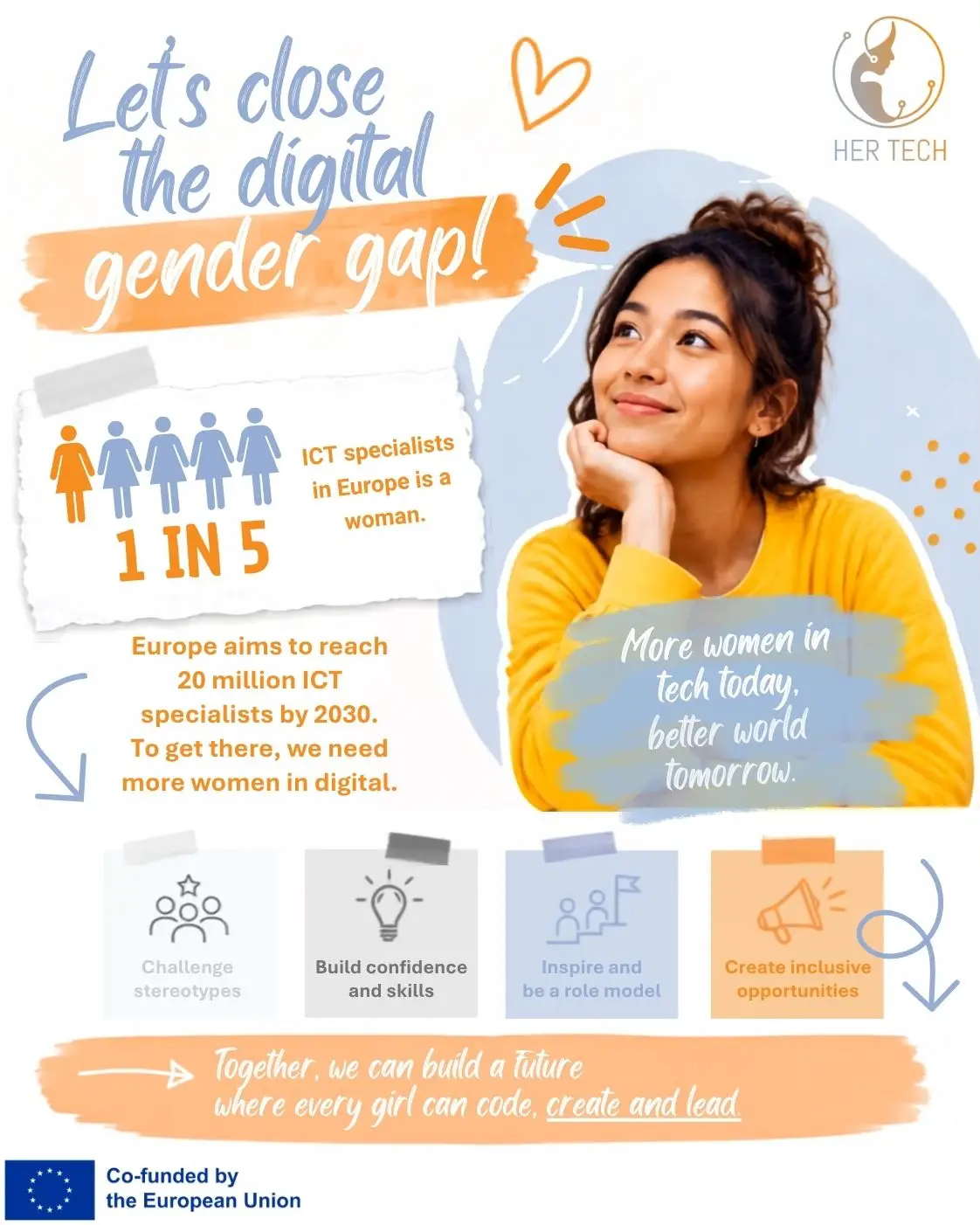
At a European level, these efforts closely align with wider policy priorities and trends. The European Commission has repeatedly emphasised the importance of increasing female participation in digital fields as part of its digital and innovation agenda. Despite progress, women still represent a minority of ICT specialists across the EU, making early engagement initiatives like those seen in Ireland particularly important. By combining school-level inspiration with university support and industry collaboration, Ireland reflects a broader European shift toward building a more inclusive digital workforce. Continued alignment between national actions and European strategies will be key to ensuring long-term impact and closing the gender gap in ICT across the region.