A new academic study, Women in the ICT Sector in European Union States: Facing Gender Inequalities (Gaweł & Kapsdorferová, 2024), explores how gender inequality continues to shape the ICT sector across Europe. Based on Eurostat data and advanced cluster analysis, the research identifies three distinct groups of EU countries, revealing that there is no single European reality when it comes to women’s participation in digital professions.
What the researchers found
The study focused on three indicators:
- the share of women working in the ICT sector,
- the proportion of women entrepreneurs in ICT, and
- the gender pay gap in the sector.
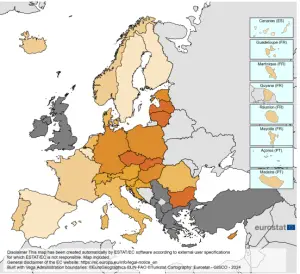
By comparing 16 EU member states, the authors identified three clusters:
- Cluster 1 – High inequality, low participation
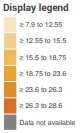
Countries such as Poland, Czechia, Hungary and Slovakia show the highest gender pay gaps (above 25%) and the lowest share of women working or running businesses in ICT. In these contexts, gender-based pay discrimination discourages women from entering or staying in the tech workforce. - Cluster 2 – More equality, more employment
States including Sweden, France, Belgium and Spain report the lowest gender pay gaps and growing female employment in ICT. Here, women are more likely to be employees than entrepreneurs, suggesting that more inclusive labour markets can effectively reduce gender disparities. - Cluster 3 – Entrepreneurial response to inequality
Countries such as Croatia, Italy and Slovenia show a moderate pay gap, but also the highest share of female ICT entrepreneurs. This suggests that in some cases, women may turn to entrepreneurship to escape the structural barriers of traditional employment.
Why it matters?
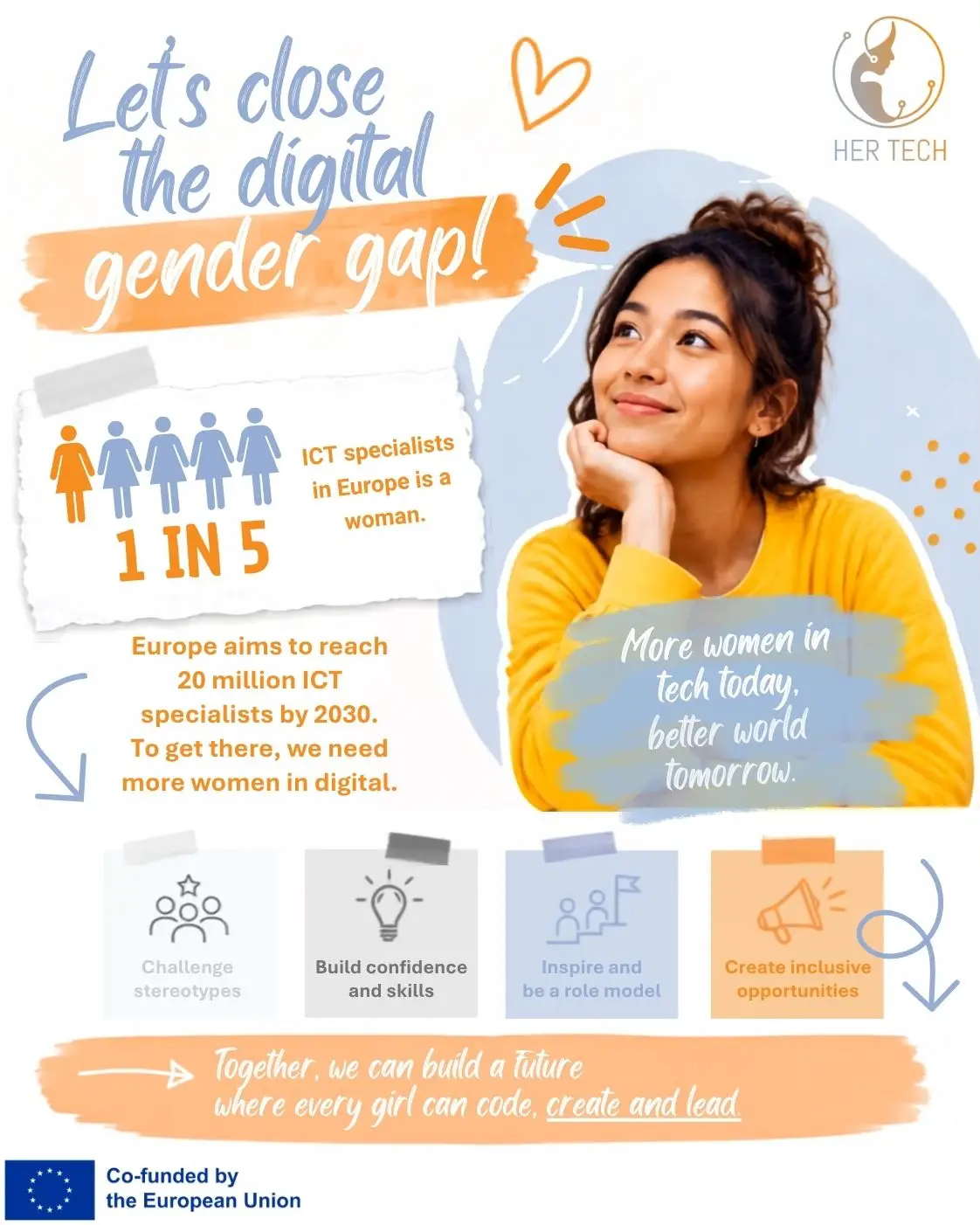
The authors conclude that the gender pay gap remains a key barrier preventing women from entering and thriving in ICT. Contrary to expectations, inequality does not “push” women into entrepreneurship; rather, it limits overall participation. Women still represent only 17–20% of the ICT workforce across the EU, and the trend has stagnated in recent years despite advances in digitalisation.
At the same time, the research highlights that policy efforts matter. Countries with stronger gender equality frameworks and early STEM education initiatives tend to perform better in both employment and entrepreneurship indicators.
A call for sustainable change
The study reinforces what many initiatives, including HER TECH, continue to advocate: that achieving gender equality in ICT requires systemic solutions, not temporary campaigns. Reducing the pay gap, providing visible role models, and supporting women-led start-ups are all crucial steps toward a fairer and more innovative digital economy.
Read the full article:
Women in the ICT Sector in European Union States: Facing Gender Inequalities (2024)